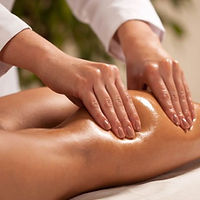
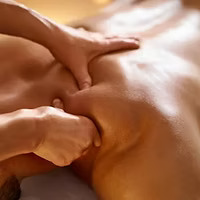
Swedish Massage is one of the most recognized and widely practiced forms of massage therapy, and for good reason. Long, gliding strokes move in the direction of blood flow back to the heart, easing tension throughout the body while promoting deep relaxation. Whether you’re brand new to massage or simply need a reset from daily stress, Swedish massage offers a gentle, effective path to feeling like yourself again.
What Techniques Are Used During a Swedish Massage?
A Swedish massage session draws on several core techniques, each serving a distinct purpose in relaxing the body and improving circulation.
-
Effleurage – Long, sweeping strokes that warm the muscles and prepare them for deeper work
-
Petrissage – K Kneading and rolling motions that help release muscle knots
-
Friction – Deep, circular movements that break down adhesions in the tissue
-
Tapotement – Rhythmic tapping that stimulates the muscles and nervous system
-
Vibration – Gentle shaking motions that loosen tight areas and encourage relaxation
Your therapist adjusts these techniques throughout the session based on where you’re holding tension and how your body responds.
What Are the Benefits of Swedish Massage?
Beyond the immediate feeling of relaxation, Swedish massage offers benefits that extend well past the massage table.
-
Reduces stress and anxiety levels
-
Improves blood circulation and oxygen flow throughout the body
-
Relieves muscle tension and stiffness
-
Enhances flexibility and range of motion
-
Supports better sleep and a more balanced mood
Who Benefits from Swedish Massage?
Swedish massage works well for a wide range of people, which is part of what makes it such a popular starting point for anyone new to massage therapy.
This massage style is ideal for:
-
Individuals trying massage therapy for the first time
-
People experiencing mild to moderate muscle tension
-
Anyone seeking relaxation and stress relief
-
Clients recovering from physical or emotional fatigue
How Much Pressure Is Used During a Swedish Massage?
Swedish massage typically involves light to moderate pressure, making it a comfortable choice for clients who prefer a gentler touch. That said, pressure isn’t one-size-fits-all. Your therapist can adjust intensity throughout the session based on your comfort level and specific areas of concern, whether that means focusing on superficial muscle layers for gentle relief or spending extra time on a particularly tense area.
Is Swedish Massage Right for Every Age and Activity Level?
Swedish massage suits people at nearly every stage of life. Athletes use it to support recovery, office workers rely on it to relieve the tension that builds from long hours at a desk, and busy parents turn to it simply to reset. Because the pressure and pacing can be tailored to each client, Swedish massage remains one of the safest and most broadly beneficial options available, regardless of age or activity level. It can help reduce headaches and back pain, support immune function by lowering cortisol levels, and aid recovery after a tough workout.
Ready to Experience Total Relaxation?
There’s something restorative about stepping away from daily stress and letting skilled hands guide your body back into balance. Massage by Rachel Ann proudly serves clients throughout Coon Rapids, Andover, Blaine, Anoka, and Ham Lake, offering Swedish massage sessions designed to leave you feeling refreshed, rejuvenated, and deeply relaxed. Schedule an appointment today and experience the difference for yourself.