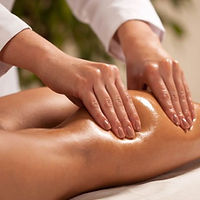
Prenatal Massage
Prenatal Massage is a nurturing form of massage therapy tailored to the unique needs of expectant mothers. Gentle, soothing techniques ease the physical and emotional changes of pregnancy, helping reduce swelling, ease back and hip discomfort, and support better sleep. Whether you’re in your second trimester or approaching your due date, prenatal massage offers a safe, comforting way to feel more at ease in your changing body.
What Techniques Are Used During a Prenatal Massage?
A prenatal massage session draws on techniques specifically adapted for pregnancy, each chosen with your comfort and safety in mind.
- Gentle Effleurage – Light, flowing strokes that reduce stress and swelling
- Mild Kneading – Soft, rhythmic pressure that releases muscle tension
- Lower Back Focus – Targeted work to relieve back and hip discomfort
- Passive Stretching – Gentle joint movements that maintain flexibility
- Side-Lying Positioning – Cushions and bolsters that provide safe, cozy support throughout the session
Your therapist adjusts these techniques and your positioning throughout the session based on your trimester, comfort level, and where you’re holding tension.
What Are the Benefits of Prenatal Massage?
Beyond the immediate comfort of a relaxing session, prenatal massage offers benefits that support both physical and emotional well-being throughout pregnancy.
- Reduces lower back pain and hip tension
- Eases swollen feet, ankles, and hands
- Improves sleep quality and relaxation
- Soothes muscle aches and fatigue
- Enhances circulation and lymphatic flow
- Promotes a sense of calm and connection with baby
Who Benefits from Prenatal Massage?
- Expectant mothers experiencing pregnancy-related muscle pain and joint stress
- Moms-to-be needing stress relief and better sleep
- Women wanting to feel more comfortable and supported as their body changes
- Anyone looking for a safe, nurturing way to unwind during pregnancy
How Much Pressure Is Used During a Prenatal Massage?
Prenatal massage uses light to moderate pressure, always prioritizing your comfort and safety first. Pressure and technique are adapted to your trimester and the areas where you’re holding the most tension, with special care taken around sensitive areas throughout the session. Your therapist checks in regularly to make sure every stage of the massage feels safe, soothing, and appropriate for exactly where you are in your pregnancy.
Is Prenatal Massage Safe for Every Stage of Pregnancy?
Prenatal massage is carefully designed to support you through each trimester, easing discomfort as your body changes and helping prepare you for the physical demands ahead. Safe, pregnancy-specific positioning, including side-lying support with cushions and bolsters, keeps you comfortable throughout the session. Because techniques are adapted specifically to pregnancy, prenatal massage can help balance stress hormones, ease headaches and sciatic pain, and support overall well-being for both mother and baby.
Ready to Nurture Yourself?
Pregnancy asks a lot of your body, and taking time to care for yourself matters, for you and for your growing baby. Massage by Rachel Ann proudly serves expectant mothers throughout Coon Rapids, Andover, Blaine, Anoka, and Ham Lake, offering prenatal massage sessions designed to leave you feeling calm, cared for, and deeply relaxed. Schedule an appointment today and take a moment to nurture yourself.